
Views: 0 Author: Site Editor Publish Time: 2026-03-25 Origin: Site


As digital screens become an integral part of our daily lives, concerns about the potential harm caused by prolonged exposure to blue light have increased. Blue light, which is emitted by devices like smartphones, tablets, computers, and LED lighting, is linked to eye strain, fatigue, and disrupted sleep patterns. In recent years, more attention has been given to the possibility of sunglasses providing protection from blue light, particularly in the eyewear industry.
This article explores how sunglasses, specifically those equipped with blue light-blocking lenses, can help prevent blue light damage, and how businesses in the eyewear industry can take advantage of this growing demand. By understanding the science behind blue light and the role sunglasses play, both consumers and businesses can make informed decisions to protect eye health and stay competitive in the market.
Blue light refers to the high-energy visible (HEV) light that is emitted from the sun and from artificial sources such as LED lights, fluorescent lights, and electronic devices like smartphones, tablets, and computers. It has a short wavelength, which allows it to scatter more easily and penetrate deeper into the eye, potentially causing more harm compared to other types of light.
Eye Strain: Prolonged exposure to blue light from screens can lead to digital eye strain. This is commonly experienced as headaches, dry eyes, blurred vision, and difficulty focusing. In fact, over 70% of people report experiencing eye strain due to prolonged screen time.
Disrupted Sleep Cycles: Blue light exposure, particularly during the evening, interferes with the production of melatonin, the hormone responsible for regulating sleep. This can lead to poor sleep quality, difficulty falling asleep, and increased fatigue.
Long-Term Damage to the Retina: There is growing evidence that prolonged exposure to blue light can contribute to retinal damage, which may increase the risk of age-related macular degeneration (AMD) over time. Though more research is needed, the potential for long-term harm makes blue light protection a critical factor in modern eyewear.
Sunglasses can block blue light through the use of specialized lens technologies. These lenses are designed to filter out the harmful wavelengths of light, allowing for clearer vision and reduced strain. There are several key lens technologies used to block blue light in sunglasses:
Blue Light Filtering Coatings: Some sunglasses come with coatings that specifically filter blue light wavelengths. These coatings work by reflecting or absorbing blue light before it reaches the eyes, offering protection against digital eye strain.
Polarized Lenses: While primarily used to reduce glare, polarized lenses can also help mitigate blue light exposure by limiting the amount of light that reaches the eyes. These lenses reduce light scatter, enhancing visual clarity and reducing strain.
Tinted Lenses: Sunglasses with yellow or amber tints have been found to block a portion of blue light. While these lenses do not provide as comprehensive protection as specialized coatings, they still help to reduce the amount of blue light reaching the eye.
Photochromic Lenses: These lenses adjust to varying light conditions, darkening in bright sunlight and lightening in low-light environments. Some photochromic lenses are now designed to block blue light, providing users with an adaptive solution for both outdoor and indoor environments.
The effectiveness of sunglasses in blocking blue light depends on the lens material and technology used. For maximum blue light protection, eyewear manufacturers recommend lenses that specifically mention blue light filtering or HEV light blocking. Some sunglasses can block up to 90% of blue light depending on the lens quality, while others may block a lower percentage, offering partial protection.
Lens Type | Blue Light Blockage Percentage | Key Benefits |
Blue Light Filtering Coatings | Up to 90% | Maximum protection against blue light and eye strain |
Polarized Lenses | 50-70% | Reduces glare and offers moderate blue light protection |
Tinted Lenses (Yellow) | 30-50% | Provides basic protection, enhances contrast |
Photochromic Lenses | Up to 60% | Adaptive lenses that block blue light and UV rays |
Sunglasses with blue light-blocking capabilities provide significant benefits to consumers who are exposed to screens for long periods of time. This includes professionals working in office environments, students, and anyone who uses digital devices extensively. Sunglasses with blue light filtering lenses can help reduce eye strain, improve comfort, and prevent long-term damage to the eyes.
For consumers, wearing sunglasses indoors while using screens may sound unusual, but the growing trend toward digital eye strain prevention makes this a necessary step. With the increasing awareness of the potential harm caused by blue light, consumers are more likely to seek out eyewear that offers this protection.
The growing concern around blue light exposure presents an opportunity for eyewear brands to market their products as essential for eye health. Businesses can capitalize on the trend by offering a range of sunglasses specifically designed to block blue light. Companies can also cater to the B2B market, supplying eyewear with blue light protection to corporate clients, schools, and health-conscious individuals.
The demand for blue light-blocking eyewear is expected to rise significantly. As more consumers become aware of the health risks associated with blue light exposure, businesses in the eyewear industry can position themselves as leaders in eye protection, offering sunglasses that meet the growing demand for both style and health benefits.
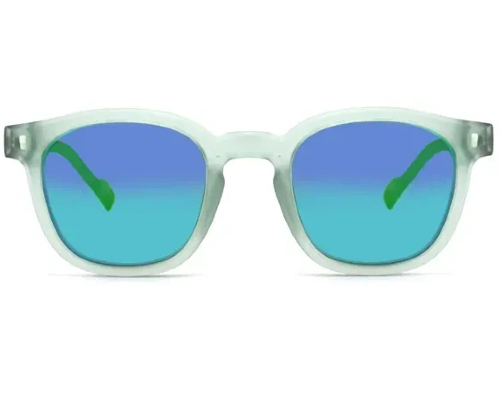
When selecting sunglasses for blue light protection, both consumers and businesses must consider the following factors:
Lens Material: High-quality lens materials, such as polycarbonate or acetate, are more likely to offer superior blue light protection.
Coatings and Treatments: Lenses with blue light filtering coatings or anti-reflective coatings provide better protection than standard lenses.
Frame Design: A well-fitted frame that provides full coverage around the eyes ensures that blue light is blocked from all angles.
UV Protection: In addition to blue light filtering, UV protection is essential to protect eyes from harmful UV rays.
Businesses looking to source sunglasses with blue light protection should prioritize products that combine style, comfort, and effectiveness. Sunglasses should not only look good but also meet high-quality standards for blue light protection. Ensuring that products are tested and certified for blue light blocking will help build trust with consumers.
The eyewear industry continues to innovate, with new materials and technologies emerging to offer even better protection from blue light. Photochromic lenses and smart eyewear are just the beginning. As technology advances, consumers will have access to sunglasses that provide enhanced blue light protection while offering additional benefits, such as augmented reality (AR) features or adaptive lenses that react to different light conditions.
For businesses in the eyewear industry, the growing demand for blue light-blocking sunglasses presents significant opportunities. Brands can position themselves as health-conscious leaders by offering products that combine style and functionality. The market for blue light protection eyewear is expanding, and early movers in the industry are well-positioned to capture consumer attention.
Eyewear businesses can differentiate themselves in the marketplace by emphasizing the health benefits of their products. By promoting sunglasses that block blue light, businesses can appeal to a broad audience, including professionals, students, outdoor enthusiasts, and tech-savvy individuals.
Blue light protection has become a key consideration for eyewear brands aiming to meet the needs of modern consumers. Sunglasses designed to block blue light not only offer comfort but also safeguard the eyes from potential harm caused by prolonged exposure to screens and artificial lighting. As the demand for blue light protection continues to rise, eyewear businesses have a unique opportunity to innovate and capture a larger share of the market.
At Wenzhou VIC International Trade Co., Ltd., we understand the growing need for effective blue light protection and offer a wide range of sunglasses that incorporate advanced blue light-blocking technology. Our products are designed to provide optimal protection and comfort, ensuring both style and functionality. Whether you are a business looking to stock high-quality eyewear or a brand seeking customized solutions, we are here to help. Contact us today to learn more about how our blue light-blocking sunglasses can enhance your product offerings and meet the demands of today’s tech-savvy consumers.
Q1: Do all sunglasses block blue light?
No, not all sunglasses block blue light. To provide effective blue light protection, sunglasses need to have specific lenses or coatings designed to filter out blue light wavelengths.
Q2: Are blue light-blocking sunglasses effective for digital screen use?
Yes, sunglasses with blue light-blocking lenses can effectively reduce eye strain caused by prolonged exposure to digital screens. They help protect the eyes from the harmful effects of blue light.
Q3: Can sunglasses protect against blue light while outdoors?
Yes, sunglasses designed with blue light-blocking lenses can offer protection against both digital eye strain and harmful sunlight. They are particularly useful for people who spend time outdoors and use digital devices.
Q4: What should businesses look for when sourcing blue light-blocking sunglasses?
Businesses should look for sunglasses with high-quality lenses that feature blue light-blocking coatings, proper UV protection, and a comfortable fit. Ensuring the effectiveness of the blue light protection is essential.
Q5: Are blue light-blocking sunglasses suitable for children?
Yes, blue light-blocking sunglasses can be beneficial for children who spend significant time using digital devices. These sunglasses can help protect their eyes from digital eye strain and prevent potential long-term damage.


