
Views: 0 Author: Site Editor Publish Time: 2026-03-27 Origin: Site


Sunglasses are no longer just a protective accessory for sunny days; they have evolved into a crucial part of daily wear, combining style, functionality, and eye protection. With increasing awareness about eye health and the impact of extended exposure to harmful UV rays and blue light, consumers are becoming more discerning in their choice of sunglasses. As a result, eyewear brands and manufacturers have a unique opportunity to cater to the growing demand for high-quality, multifunctional sunglasses that provide both fashion and protection.
This article will explore the essential factors that define the best sunglasses, emphasizing lens quality, frame materials, design, and the need for businesses in the eyewear industry to understand the evolving market trends. We'll delve into the technological advancements in lens materials, the significance of UV protection, the rising demand for polarized and blue light-blocking lenses, and the impact of customization options for businesses. By examining these elements, we aim to guide both consumers and businesses on how to select the best sunglasses.
When selecting sunglasses, both consumers and eyewear businesses must consider several key factors to ensure that the product delivers on both style and functionality. Below are the crucial features that define the best sunglasses.
The lens quality is one of the most important factors in determining the effectiveness of sunglasses. High-quality lenses not only enhance vision but also offer essential protection against harmful rays. There are several aspects to consider when evaluating lens quality:
UV Protection: Sunglasses should provide UV400 protection, meaning they block 100% of UVA and UVB rays. UV protection is vital to protect the eyes from long-term damage, including cataracts and age-related macular degeneration (AMD).
Polarized Lenses: Polarized lenses are designed to reduce glare from reflective surfaces, such as water, roads, or snow. They are essential for activities like driving, boating, and skiing, as they improve visual clarity and reduce eye strain.
Blue Light Blocking: With the increase in screen time, many sunglasses now come equipped with lenses that block blue light. Blue light-blocking lenses help reduce eye strain caused by digital screens and prevent disruptions to sleep patterns caused by blue light exposure.
Lens Tints: The color of the lens tint plays a role in both style and function. For instance, gray lenses reduce overall brightness without distorting colors, while yellow or amber lenses enhance contrast and are ideal for low-light conditions.
The frame material of sunglasses impacts their durability, weight, comfort, and style. Choosing the right material is essential for producing a high-quality, functional product that meets consumer needs.
Frame Material | Advantages | Disadvantages |
Acetate | Lightweight, hypoallergenic, customizable | Can be less durable than metal frames, prone to scratching |
Metal | Strong, durable, and offers a sleek design | Can be heavier, prone to rusting if not treated properly |
TR90 (Plastic) | Extremely lightweight, durable, flexible | Limited color options compared to acetate |
Titanium | Ultra-light, corrosion-resistant, and flexible | Higher price point, less aesthetic variety |
The choice of material directly impacts the sunglasses’ weight, durability, and aesthetic appeal. Acetate and metal frames are often favored for their premium feel, while TR90 and titanium are selected for their lightweight, durable properties.
Sunglasses are not only functional but also serve as fashion accessories. The best sunglasses feature designs that cater to various face shapes and personal preferences. Key design features to consider include:
Frame Shapes: From classic aviators and wayfarers to modern geometric and cat-eye frames, the shape of the frame can enhance personal style while offering comfort.
Color Options: The color of both the frame and lenses affects the overall aesthetic of the sunglasses. Popular colors include black, brown, tortoiseshell, and bold hues for a more contemporary look.
Size and Fit: Sunglasses should fit comfortably on the face without slipping or pressing too hard on the temples. Offering different sizes for various face shapes is important for both comfort and style.
The best sunglasses should be comfortable to wear for extended periods. Features such as adjustable nose pads, lightweight materials, and ergonomically designed temples contribute to overall comfort. Proper fit is also essential in ensuring that the sunglasses provide adequate protection from the sun and other environmental elements.
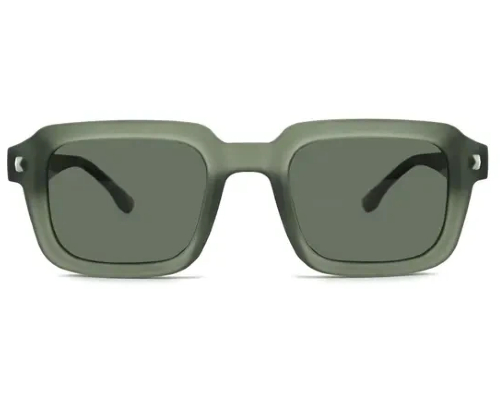
Sunglasses are not just about style; they also need to provide comprehensive protection against harmful rays and enhance visual performance. The latest advancements in lens technologies have made it easier than ever for consumers to find sunglasses that offer these benefits.
UV radiation from the sun can cause significant damage to the eyes, leading to conditions such as cataracts, macular degeneration, and even skin cancer around the eyes. The best sunglasses must offer UV400 protection, which blocks 100% of both UVA and UVB rays.
UV Type | Effect on Eyes | Sunglasses Protection Level |
UVA | Penetrates deep into the eye, causes long-term damage to the retina | UV400 blocks 100% of UVA rays |
UVB | Causes immediate damage, including sunburn to the eye’s surface | UV400 blocks 100% of UVB rays |
Sunglasses with UV400 lenses are the gold standard for eye protection, ensuring that both UVA and UVB rays are effectively blocked.
Polarized lenses have a special coating that reduces glare caused by light reflecting off surfaces like water, roads, or snow. This makes them ideal for outdoor activities, especially driving, fishing, or skiing. Polarized lenses also reduce eye strain and improve contrast, making it easier to see in bright conditions.
As the use of digital devices increases, consumers are more aware of the potential harm caused by prolonged exposure to blue light. Many sunglasses now feature lenses designed to block blue light, which helps prevent digital eye strain, headaches, and sleep disruption.
Lens Type | Benefit | Best For |
Blue Light Blocking | Reduces eye strain from digital screens | People who work long hours on screens |
Polarized | Reduces glare from reflective surfaces | Outdoor activities like fishing, skiing |
Photochromic | Lenses darken in bright sunlight and lighten indoors | People who go between indoor and outdoor environments |
Photochromic lenses, also known as transition lenses, automatically adjust their tint depending on the lighting conditions. They darken in bright sunlight and lighten indoors, providing both comfort and protection. This technology is perfect for individuals who frequently transition between indoor and outdoor environments.
Consumers are increasingly becoming aware of the importance of eye health. With the rise of screen time and outdoor activities, people are looking for sunglasses that provide adequate protection against both UV rays and blue light. Businesses in the eyewear industry must cater to this growing demand by offering high-quality sunglasses that combine style and functionality.
Sunglasses have become more than just a functional accessory—they are an essential part of fashion. The best sunglasses offer a balance of trendy designs and functional features. Businesses that stay on top of fashion trends and incorporate stylish elements into their sunglasses collections are more likely to appeal to modern consumers.
From a business perspective, offering sunglasses that meet the growing demand for both eye protection and stylish design presents a significant market opportunity. Eyewear brands must focus on providing high-quality, durable products with various customization options, such as frame colors, lens types, and logos.
The eyewear industry is rapidly evolving, with consumers demanding more from their sunglasses. Some key trends include:
Eco-friendly Materials: Consumers are increasingly seeking sustainable sunglasses made from recycled or biodegradable materials.
Smart Sunglasses: As technology advances, more eyewear brands are integrating smart features, such as Bluetooth connectivity or augmented reality (AR) capabilities, into their sunglasses.
Customization: Eyewear brands are offering more personalized sunglasses, with options for custom frames, lenses, and branding.
When sourcing sunglasses for your business, it’s crucial to partner with reliable manufacturers that offer high-quality, customizable products. Ensure that the supplier provides sunglasses with certified UV protection, blue light-blocking capabilities, and premium materials.
Many eyewear brands are now offering custom sunglasses that allow businesses to personalize the design with their logo, specific colors, or unique features. Offering customizable sunglasses enables businesses to cater to their clients’ needs and helps them stand out in a competitive market.
To ensure that your sunglasses meet high standards, it’s essential to work with suppliers who adhere to rigorous quality control procedures. Look for certifications such as CE certification for European markets, FDA approval for U.S. markets, and ISO standards for manufacturing processes.
The sunglasses industry is embracing new innovations that blend style, functionality, and technology. These innovations not only improve the consumer experience but also provide business opportunities for eyewear brands.
Smart sunglasses are becoming increasingly popular. They integrate technology, such as built-in Bluetooth speakers, fitness tracking capabilities, and augmented reality (AR). These multifunctional devices appeal to tech-savvy consumers who want eyewear that does more than just protect their eyes.
With the growing demand for eco-friendly products, sunglasses made from sustainable materials are becoming more popular. Brands are using materials such as recycled plastics, biodegradable acetate, and bamboo to create sunglasses that are both stylish and environmentally friendly.
The future of sunglasses lies in integrating technology and sustainability. Innovations in lens coatings, lightweight materials, and smart functionality will continue to shape the industry. Businesses that keep up with these trends will have a competitive advantage in the marketplace.
Choosing the best sunglasses is crucial for consumers who seek both style and protection. High-quality lenses with UV protection, polarized coatings, and blue light-blocking capabilities play a significant role in maintaining eye health and enhancing visual performance. As the demand for eyewear continues to grow, businesses must keep up with market trends and evolving consumer preferences to remain competitive. By focusing on innovation, comfort, and functionality, eyewear brands can successfully cater to modern consumers’ needs.
At Wenzhou VIC International Trade Co., Ltd., we specialize in offering sunglasses that combine superior protection with stylish designs. Our products feature high-quality lenses that provide excellent UV protection, reduce glare with polarized coatings, and block blue light to alleviate digital eye strain. Whether you're looking to stock the latest eyewear designs or customize sunglasses for your brand, we provide tailored solutions that align with your business needs. Contact us today to explore how our sunglasses can enhance your product offerings and meet the growing demands of your customers.
Q1: What are the best materials for sunglasses frames?
Answer: The best materials for sunglasses frames include acetate, metal, TR90, and titanium. These materials offer a balance of durability, comfort, and lightweight design, ensuring both functionality and style.
Q2: Do all sunglasses offer UV protection?
Answer: No, not all sunglasses provide UV protection. It is essential to look for sunglasses with UV400 lenses, which block 100% of UVA and UVB rays.
Q3: Are polarized lenses worth it?
Answer: Yes, polarized lenses are highly beneficial, especially for outdoor activities. They reduce glare from reflective surfaces, improving visibility and reducing eye strain.
Q4: How do I choose the right sunglasses for my business?
Answer: When choosing sunglasses for your business, focus on factors like lens quality (UV protection, polarization), comfort, design, and customization options. Work with reliable suppliers who meet high standards for these features.
Q5: What are smart sunglasses, and why are they becoming popular?
Answer: Smart sunglasses integrate technology like Bluetooth speakers, fitness trackers, and augmented reality (AR) features. They are gaining popularity as consumers seek multifunctional eyewear that blends style with technology.


