
Views: 0 Author: Site Editor Publish Time: 2026-03-31 Origin: Site


Sunglasses are not just a fashion accessory; they are an essential tool for protecting the eyes from harmful UV rays and enhancing visual clarity in various outdoor conditions. However, when it comes to sunglasses, one of the most important distinctions is whether the lenses are polarized or non-polarized. Understanding this difference is crucial for businesses, eyewear manufacturers, and distributors in the optical industry. This article will explore the key differences between polarized and non-polarized sunglasses, including their functionality, benefits, and market potential.
In the modern eyewear industry, sunglasses are more than just a protection device against UV rays; they have evolved into a fashion statement and a high-performance tool for various activities. Polarized and non-polarized sunglasses are two distinct categories of eyewear, and understanding the difference between them is vital for eyewear businesses aiming to meet diverse consumer needs.
For manufacturers, distributors, and retailers in the B2B space, offering both types of sunglasses can help capture a wider market. Polarized sunglasses provide superior glare protection, while non-polarized sunglasses are a cost-effective, stylish choice for general consumers.
Polarized sunglasses feature a special coating that filters out horizontal light waves, reducing glare caused by sunlight reflecting off surfaces like water, snow, or glass. This technology is particularly useful for individuals who spend a significant amount of time outdoors, engaging in activities like driving, fishing, boating, or skiing.
Polarized lenses have a chemical coating that is vertically aligned. This coating blocks out horizontal light, which causes glare. The result is clearer vision, reduced eye strain, and increased visual comfort.
Key Features of Polarized Sunglasses:
Glare Reduction: The primary benefit of polarization.
Enhanced Contrast: Improves visibility, especially in bright or reflective environments.
UV Protection: Polarized lenses can also block harmful UV rays, protecting the eyes from long-term damage.
Non-polarized sunglasses are the more traditional option, providing basic UV protection without the glare reduction that comes with polarized lenses. These lenses can still protect against UV rays but are less effective at minimizing glare from reflective surfaces like water or roads.
Non-polarized lenses allow light to pass through without filtering out horizontal light waves. While they provide UV protection, they don’t have the added benefit of glare reduction, which can be a major issue in high-glare environments.
Key Features of Non-Polarized Sunglasses:
UV Protection: Non-polarized sunglasses still offer protection from UV rays.
Affordability: These are generally less expensive than polarized sunglasses.
Fashionable Designs: Available in a wide range of styles and colors, appealing to a broader consumer base.
One of the most significant differences between polarized and non-polarized sunglasses is glare reduction. Polarized lenses are specifically designed to cut down on glare, making them ideal for high-brightness environments like the beach, driving on sunny days, or fishing.
Polarized sunglasses reduce glare from horizontal surfaces, improving visual clarity and reducing eye strain. This makes them an excellent choice for individuals who need to see clearly in environments where light is reflected off surfaces.
Non-polarized sunglasses don’t reduce glare. While they provide basic protection against UV rays, they are less effective in environments with high levels of reflection, such as on water or snow. They are more suitable for general outdoor activities but may not provide the visual comfort that polarized lenses offer in high-glare situations.
Feature | Polarized Sunglasses | Non-Polarized Sunglasses |
Glare Reduction | Reduces glare from reflective surfaces | No glare reduction |
Visual Clarity | Enhanced clarity, especially in bright light | Standard clarity |
Ideal For | Outdoor activities (fishing, driving, skiing) | Everyday casual use |
Both polarized and non-polarized sunglasses offer UV protection, which is crucial for preventing eye damage from prolonged exposure to UV rays. However, polarization is an additional layer of protection that focuses primarily on glare reduction rather than UV filtering.
Polarized lenses typically come with UV protection as a standard feature. The polarized coating does not affect the UV-blocking properties of the lens, so consumers benefit from both glare reduction and UV protection.
Non-polarized sunglasses also provide UV protection, but they lack the glare reduction features of polarized lenses. These sunglasses are often chosen for general everyday use, where glare is not a significant concern.
When considering sunglasses for business purposes, it’s essential to evaluate the durability and functionality of both polarized and non-polarized lenses.
Polarized lenses tend to be more durable in high-performance environments. The added polarization filter can sometimes make the lenses more prone to scratching, but many manufacturers offer scratch-resistant coatings to enhance longevity. These lenses are perfect for rugged environments where clarity is crucial.
Non-polarized sunglasses are typically more affordable and can be more durable in terms of physical resilience. However, they lack the specialized coating that provides glare reduction, which may be a consideration for those needing high-performance eyewear.
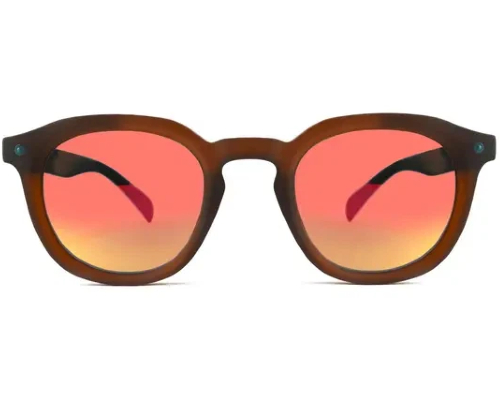
Polarized sunglasses are particularly beneficial for individuals who engage in outdoor activities like driving, fishing, boating, and skiing. These environments often involve strong glare from reflective surfaces, making polarized lenses an essential tool for enhanced visibility and eye protection.
Driving: Reduces glare from the road and enhances visual clarity.
Water Sports: Polarized lenses improve visibility on the water, especially in bright conditions.
Fishing: Helps reduce water surface glare, making it easier to spot fish.
There is a growing demand for polarized sunglasses as consumers become more aware of their benefits. With increasing interest in outdoor activities, businesses can capitalize on this trend by offering high-performance sunglasses to their target audience. Polarized eyewear is also gaining traction in the luxury sunglasses market, where consumers prioritize both style and functionality.
Non-polarized sunglasses are more affordable than polarized ones, making them an excellent choice for businesses looking to offer a variety of price points to their customers. They are ideal for fashion and casual wear, where glare reduction is not a primary concern.
Fashion and Casual Use: Perfect for those looking for stylish sunglasses at a lower price point.
Daily Protection: Suitable for everyday activities like walking, running errands, or sitting outdoors in the shade.
Non-polarized sunglasses come in a wider variety of designs, colors, and styles compared to polarized options. This makes them a great choice for retailers looking to offer diverse options to fashion-conscious consumers.
When considering which type of sunglasses to offer, it's essential to understand the different market segments. Polarized sunglasses are perfect for performance-driven consumers, while non-polarized sunglasses cater to a broader range of price-sensitive or fashion-forward customers.
Polarized Sunglasses: Target outdoor and sports retailers, premium eyewear brands, and customers who demand high-performance eyewear.
Non-Polarized Sunglasses: Focus on fashion retailers, casual eyewear lines, and businesses looking to offer affordable eyewear options.
Choosing the right sunglasses for your business is crucial to meeting the diverse needs of your customers. Both polarized and non-polarized sunglasses play significant roles in the market. Polarized lenses are perfect for consumers seeking superior glare reduction and visual clarity, especially in bright environments like outdoor sports or driving. On the other hand, non-polarized sunglasses remain a popular, cost-effective choice for those prioritizing fashion and casual wear.
At Wenzhou VIC International Trade Co., Ltd., we understand the importance of offering a comprehensive range of eyewear products. Whether you're looking to cater to performance-driven customers with polarized options or fashion-forward consumers with stylish non-polarized sunglasses, we provide high-quality products to meet your needs. By collaborating with us, you can access both high-performance polarized lenses and affordable, trendy non-polarized options, ensuring your product line appeals to a broad market segment. Contact us today to discuss how we can support your business with tailored eyewear solutions that align with the latest market trends.
Yes, polarized sunglasses are generally more expensive due to the added technology for glare reduction. However, they offer better performance, especially in high-brightness conditions.
Polarized sunglasses are ideal for activities like fishing, boating, and driving, where glare is a significant concern. They are also suitable for skiing and snowboarding to reduce snow glare.
Yes, polarized lenses offer full UV protection, just like non-polarized sunglasses. The polarization feature enhances visual comfort and clarity, especially in bright or reflective environments.
Offering both options allows you to appeal to a broader range of consumers. Polarized sunglasses cater to those needing performance, while non-polarized sunglasses attract fashion-conscious or budget-conscious buyers.
Businesses can market polarized sunglasses as a premium, performance-oriented product for outdoor enthusiasts. Highlight their benefits in reducing glare and improving clarity during various activities.


