
Views: 0 Author: Site Editor Publish Time: 2025-11-24 Origin: Site


Presbyopia is a natural, age-related condition that typically starts around the age of 40 and affects nearly everyone as they grow older. It occurs when the eye's lens loses its ability to focus on nearby objects due to the hardening of the lens and weakening of the muscles that control its shape. As a result, reading small print or performing close-up tasks becomes increasingly difficult, leading many individuals to rely on reading glasses. While reading glasses provide immediate relief by improving near-vision clarity, the question arises: can wearing reading glasses help prevent presbyopia from worsening over time? This article explores how reading glasses can alleviate symptoms and whether they play a role in slowing the progression of presbyopia, alongside other methods for maintaining eye health.
Presbyopia is primarily caused by age-related changes in the eye’s anatomy, particularly in the lens and the muscles that control its shape. As we age, the lens of the eye gradually loses its flexibility, making it increasingly difficult for the eye to focus on nearby objects. The lens, which should be able to change shape (a process called accommodation) to focus on objects at varying distances, becomes stiffer and less elastic, reducing its capacity to adjust for near vision. In addition to the lens changes, the ciliary muscles that control the lens’s shape also weaken with age. This weakening of the eye muscles further diminishes the ability to focus clearly on close-up tasks, such as reading or knitting. These physiological changes usually begin around the age of 40 and tend to worsen progressively over the years.
Initially, the symptoms of presbyopia are mild and may be barely noticeable. People may find themselves holding reading material farther away, or they may need extra lighting for close-up tasks to see clearly. As presbyopia progresses, the symptoms become more prominent: individuals may experience increasing difficulty with fine print, experience frequent eye strain, and may notice that they are often rubbing their eyes or feeling fatigued after prolonged near-vision tasks. In some cases, headaches can also result from the eyes straining to focus. Over time, the condition progresses to the point where even with adequate lighting, reading or performing close-up tasks becomes uncomfortable without the use of corrective lenses, such as reading glasses. As the condition advances, individuals often require stronger prescriptions for reading glasses or bifocals to alleviate the discomfort caused by blurry near vision.
The main reason presbyopia worsens with age lies in the natural aging process of the eye’s lens and muscles. As we get older, the lens of the eye thickens and loses elasticity, making it less capable of changing shape when we focus on near objects. This process is a gradual one, and the loss of flexibility in the lens means it becomes harder to focus on nearby tasks like reading, writing, or sewing. Furthermore, the ciliary muscles responsible for adjusting the lens’s shape become weaker, compounding the difficulty. These changes are inevitable and progressive, which is why presbyopia is considered a progressive condition that typically worsens over time. Although it is a natural part of the aging process, wearing corrective lenses like reading glasses can help manage the condition and reduce the discomfort associated with blurry near vision. However, presbyopia itself cannot be stopped or reversed by external measures, as the structural changes in the eye are inherent to the aging process.
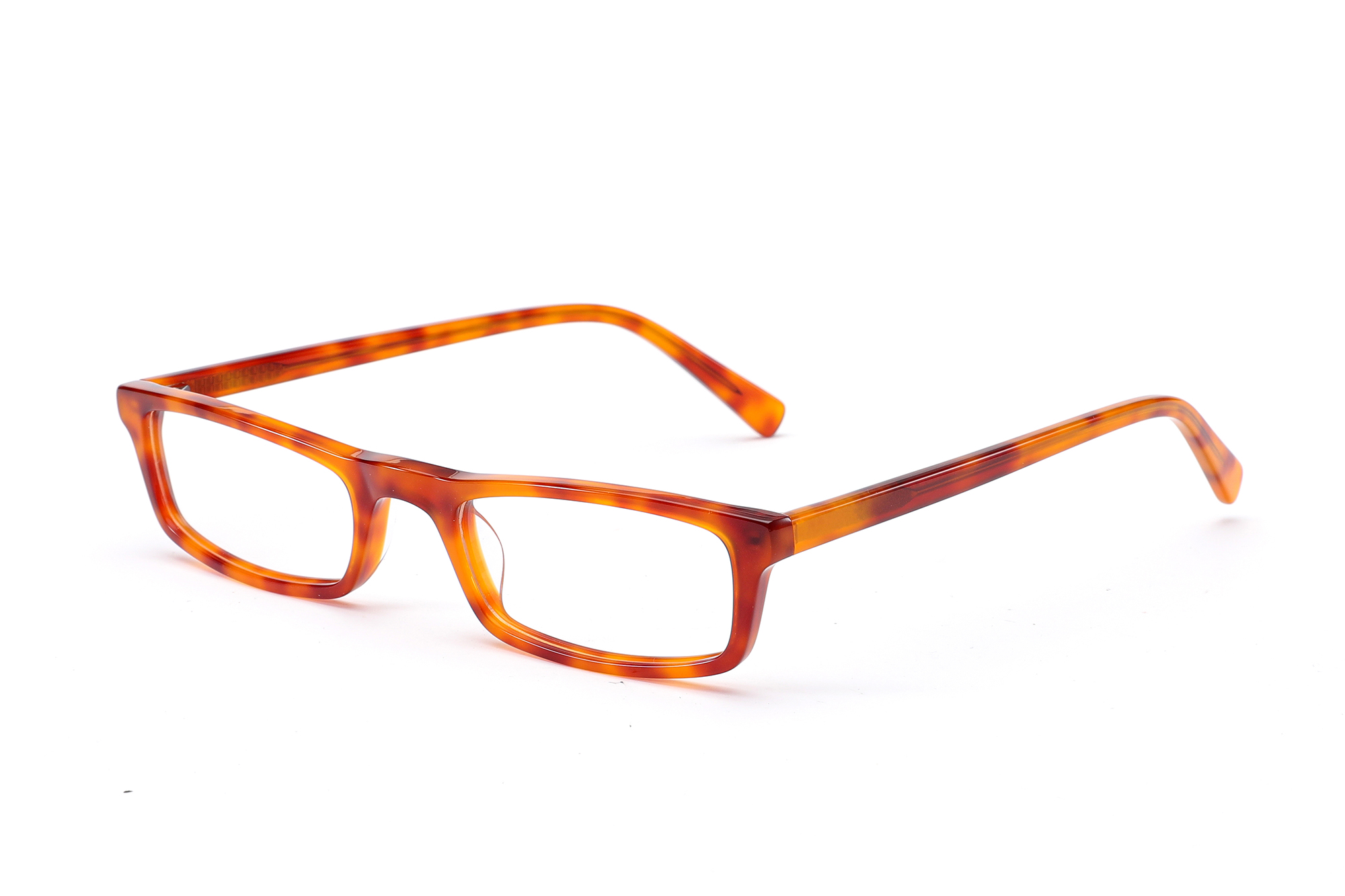
Reading glasses are specifically designed to address the visual challenges posed by presbyopia. As presbyopia causes the lens in the eye to lose its flexibility, it becomes harder to focus on nearby objects. Reading glasses help by magnifying close-up objects, which improves clarity for tasks like reading, writing, or using a smartphone. These glasses compensate for the reduced accommodation ability of the eye’s lens by allowing the light entering the eye to focus more accurately on the retina, especially for those who have trouble focusing on small print or intricate details. By reducing the amount of effort the eye needs to exert to focus, reading glasses also help reduce eye strain and fatigue, making near-vision tasks much more comfortable and less taxing.
While reading glasses can significantly help alleviate the symptoms of presbyopia, it’s important to understand that they cannot prevent the condition from worsening. Presbyopia is a natural, progressive condition caused by age-related changes to the lens and the ciliary muscles. Over time, the lens becomes more rigid, and the muscles that help it adjust for near vision become weaker. Although reading glasses can provide immediate relief and make daily tasks more manageable, they do not stop or reverse the underlying changes in the eye's structure. In other words, while reading glasses can ease the symptoms, they do not halt the natural aging process of the eye.
While reading glasses do not prevent the progression of presbyopia, they play an important role in reducing discomfort and slowing the onset of more severe symptoms. By improving near vision, these glasses help to reduce eye strain and fatigue, which can occur when the eyes work hard to focus on nearby objects. If left uncorrected, this constant strain can cause headaches, eye discomfort, and further deterioration of vision. Therefore, wearing reading glasses helps individuals maintain better eye comfort and vision quality for a longer period, making everyday activities such as reading, sewing, or working at the computer more comfortable. However, it’s crucial to remember that while reading glasses help alleviate the discomfort associated with presbyopia, they do not stop the condition from progressing or reverse the age-related changes that cause presbyopia in the first place.
While presbyopia is inevitable with age, certain lifestyle choices can help delay its progression. A balanced diet rich in vitamins A, C, and omega-3 fatty acids supports overall eye health. Regular exercise promotes better blood circulation, which can help supply the eyes with essential nutrients and oxygen. Hydration is also crucial to keep the eyes moist and reduce discomfort, especially when experiencing the symptoms of presbyopia.
Regular eye exams are essential to monitor changes in vision, including the progression of presbyopia. A comprehensive eye exam can help determine whether the prescription for reading glasses needs to be updated and identify any other potential eye conditions. Eye care professionals can also recommend preventive measures to help slow the progression of presbyopia.
While the aging process and the changes in the eye's lens are inevitable, certain eye exercises may help improve focusing ability and alleviate discomfort caused by presbyopia. Regularly practicing eye exercises can help strengthen the eye muscles, improve circulation, and reduce the strain caused by prolonged near-vision tasks. Some simple exercises, such as focusing on objects at varying distances or gently massaging around the eyes, can help maintain flexibility and comfort. Although exercises cannot reverse the effects of presbyopia, they may slow its progression and reduce the strain on the eyes, especially for individuals who spend long hours in front of screens.
Yes, reading glasses can be worn long-term, but it’s important to adjust the prescription as your vision changes. Over time, presbyopia may progress, and the strength of the glasses might need to be updated to provide optimal clarity. Regular eye exams are recommended to ensure your prescription stays accurate and effective.
No, reading glasses only alleviate symptoms but do not cure presbyopia. Presbyopia is a natural age-related condition that affects the ability to focus on close objects, and while reading glasses can improve near-vision clarity, they cannot reverse the underlying changes in the eye.
Presbyopia primarily affects near vision, making tasks like reading, sewing, or using a smartphone more difficult. However, some people may also experience a slight decline in distance vision, especially as presbyopia progresses. Regular eye exams can help monitor any changes in overall vision.
Healthy eating, eye exercises, reducing screen time, and regular eye exams can help slow the progression of presbyopia. A diet rich in antioxidants and omega-3 fatty acids, along with regular physical activity, can support overall eye health. Additionally, taking breaks from close-up work and practicing good posture can reduce eye strain and help maintain comfort.
In conclusion, reading glasses are an effective tool for alleviating the symptoms of presbyopia, particularly for near vision tasks. While they do not prevent the natural progression of presbyopia, they significantly improve comfort and reduce eye strain. A comprehensive approach to eye health—including a healthy lifestyle, regular exercise, proper hydration, and regular eye checkups—can help slow the progression of presbyopia. While reading glasses make daily tasks more manageable, combining them with other preventive measures can ensure the best long-term eye health and comfort.


